

Damp Surveyor in London
London’s leading independent damp survey company, London Damp Proofing, and this family-run business has been inspecting London homes for more than 40 years, looking for signs of damp, mould and timber rot. London sits on the Thames Valley Basin, which is an underlying region that is clay-based and has a high level of water retention.
Wide Range of Damp Issues London Homeowners Face
London homes are under threat from a wide range of moisture issues, which include the following:
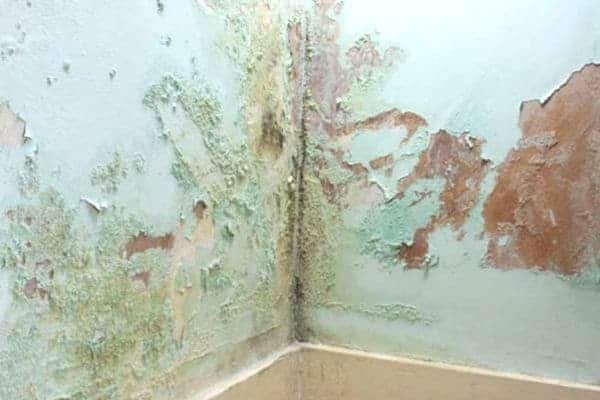
- Rising Damp – Wet ground is a common occurrence in the South East of the UK and moisture can rise up buildings and cause significant damage to brickwork, masonry, mortar and timber. All buildings should have what is called a Damp Proof Course, which in older properties consists of a bitumen strip that is sandwiched between the first few courses of bricks. The DPC membrane can easily be damaged by ground subsidence or simply wear and tear and when this happens, moisture creeps up the structure by capillary action.
- Penetrating Damp – Often confused with rising damp, penetrating damp enters a building from the roof or external walls, while rising damp comes from the ground. Regular roof inspections are strongly recommended; check for missing roof tiles, blocked guttering and other potential issues that might cause leaks. External walls need to be inspected, along with all window and door frames. Driving rain can degenerate masonry, brickwork and render, causing moisture to penetrate into the interior.
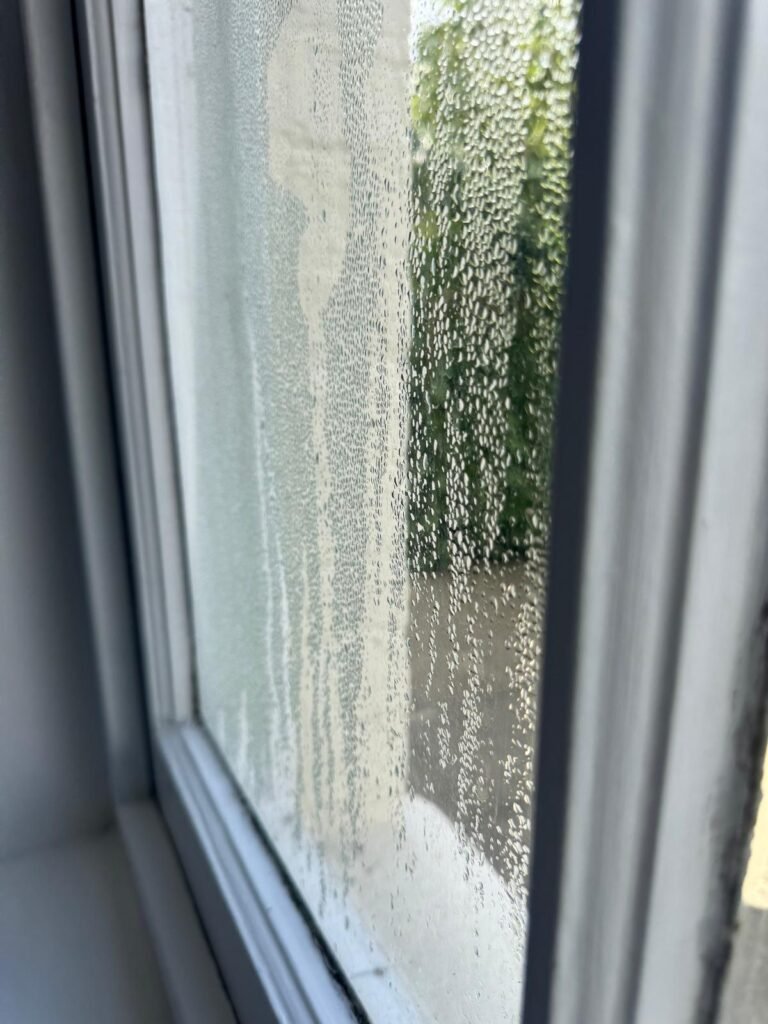
- Condensation – Droplets of water can form when conditions are right; running hot water causes excess humidity, which leads to water droplets forming on hard surfaces. Damp walls can also lead to condensation and prior to carrying out repairs, it is essential to diagnose the root cause of the condensation. If you have condensation issues in your home, contact London Damp Proofing and one of our PCA-certified damp surveyors can inspect the property and recommend the best long-term solution.
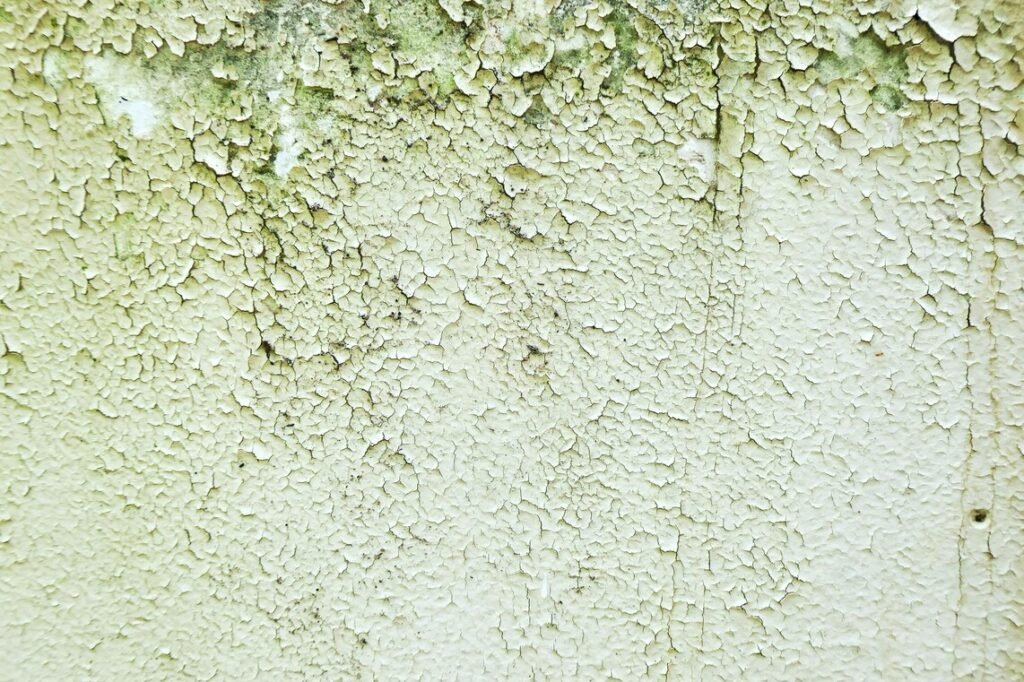
- Mould and Mildew – Mould comes in many forms and it thrives in damp, humid conditions; mould is a known health hazard, especially black mould and prolonged exposure can lead to very serious respiratory disease. Check all dark corners, as these are the places where mould is likely to flourish, while ventilation is important to reduce the risk of mould forming.
- Woodworm – Both the Death Watch Beetle and the Common Furniture Beetle burrow into timber and lay their eggs; the larvae consume wood pulp and that causes timber to lose its structural integrity. The best treatment is the use of a water-based insecticide and all timber sections need to be treated in order to be sure that all traces are eliminated.
- Wet & Dry Rot – Fungal growth destroys wood and both types require specialised treatment to completely eradicate the problem. Humid conditions are ideal for timber rot and a lack of ventilation also allows timber rot to multiply.
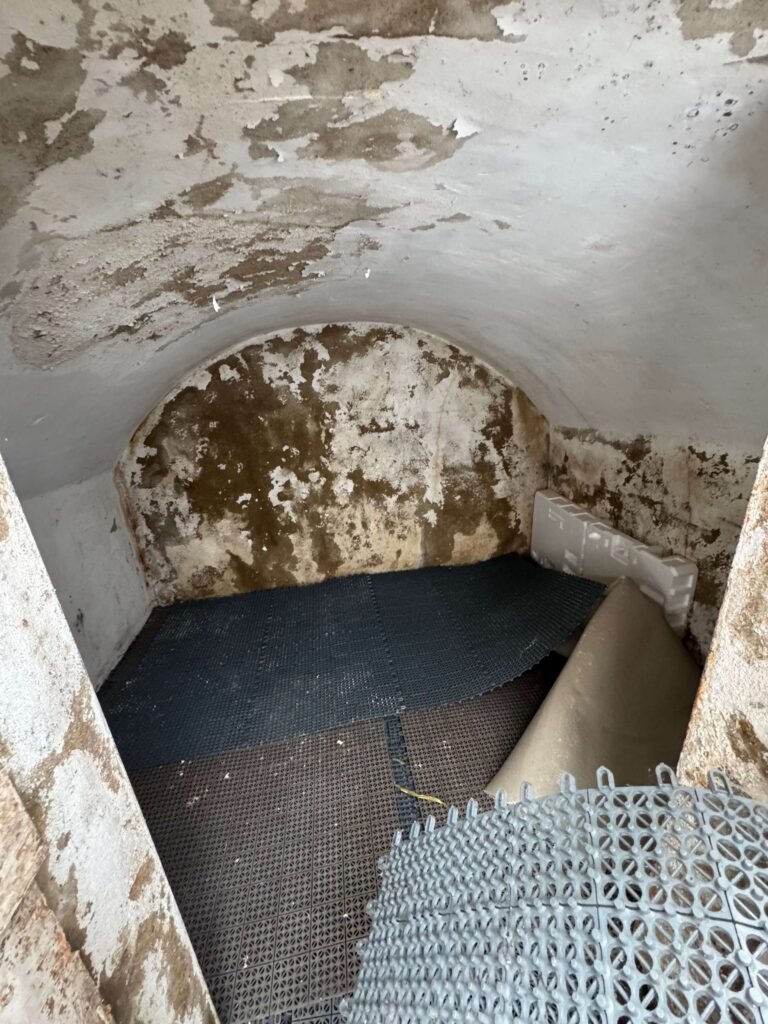
- Basement Waterproofing – Many London properties have below-ground living space and due to the moist ground, basement tanking in London is very much in demand. There are two ways to waterproof a basement/cellar; basement tanking, which involves the use of waterproof render and plaster, and cavity drainage systems, whereby a studded watertight membrane is fitted to the ceilings, walls and floors, providing a channel for water to run down into a sump area under the floor.
London Damp Proofing have an excellent reputation for providing accurate survey reports for London property owners; simply put, if a building has damp, mould or timber rot issues, we will find it.
Damp Repair & Proofing Services

Tools That We Use to Survey London Properties
The latest digital technology is applied to damp surveying, with the following devices used by our certified surveyors.
- Damp Meter – A digital device that measures moisture on surfaces and inside building materials such as plaster, brickwork, mortar and timber. An experienced surveyor would carry two types; namely a pin less and pinned variety, with the latter used for measuring moisture levels inside materials.
- Thermal Imagery – An infrared camera shows temperatures using colours; red indicates warmth while blue depicts colder surfaces and this piece of kit is one of the first that a surveyor will use to identify areas that might contain mould.
- Borescope Camera – An essential piece of equipment, the borescope camera gives the surveyor a close-up view of dark corners and hard-to-reach places such as under floorboards and inside cavity walls. Images can be captured to show the customer problem areas.
- Humidity Meter – This device accurately measures the Relative Humidity (RH) in the air and it helps the surveyor to get a clear idea of RH levels throughout the building. Mould thrives in humid spaces and this tool helps the inspector to locate potential mould issues.
- Ventilation Flow Test – This hand-held piece of equipment has a rotating fan that measures air movement, which is used to assess overall ventilation by measuring key locations throughout the property. Ventilation is a key aspect of reducing the risk of mould and mildew forming and if the surveyor thinks there is inadequate air movement, they will recommend a solution.
- Drone Imagery – A drone is used to closely inspect all parts of the roof, checking every square inch, looking for missing roof shingles, faulty or blocked guttering and damaged fascia and soffit boards. The drone is also used to inspect the external walls and high-resolution images can be taken to add to the report.
If you would like a PCA-certified damp surveyor to inspect your London home, call us or complete the form on this website.